office paint

Best Low-VOC Paints for Tucson Office Spaces and Indoor Air Quality

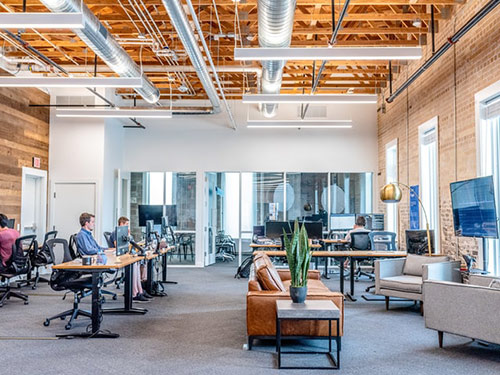
Indoor air quality directly impacts employee health, productivity, and your bottom line. For Tucson businesses, where sealed buildings combat extreme heat, paint choices significantly affect the air your team breathes daily. Low-VOC and zero-VOC paints offer a healthier alternative that protects workers while delivering professional results.

Understanding VOCs and Why They Matter

Volatile organic compounds are chemicals in traditional paints that release harmful gases as the paint dries and for weeks afterward. These emissions cause headaches, dizziness, respiratory irritation, and long-term health effects. In tightly sealed Tucson offices running constant air conditioning, VOCs accumulate rather than dissipate, making paint selection even more critical.

Tucson’s desert environment creates unique indoor air challenges. Buildings designed to keep heat out also trap pollutants inside. Research shows VOC levels in newly painted offices can take three to four weeks to return to baseline with conventional paints, compared to just 48-72 hours with low-VOC alternatives.

Benefits for Tucson Businesses

Faster Return to Operations

Low-VOC paints dry quickly with minimal odor, allowing employees to return to workspaces sooner. Traditional paints might require days of ventilation before spaces are comfortable. With low-VOC commercial painting, businesses minimize disruption and productivity losses.

Healthier Work Environment

Employees in healthier environments report fewer sick days and higher productivity. One California school district documented a 25% reduction in respiratory complaints after switching to zero-VOC paints. For Tucson businesses investing in employee wellbeing, paint selection represents an easy, impactful choice.

Regulatory Compliance

The EPA and state agencies regulate VOC emissions in architectural coatings. Maricopa County operates as a designated low-VOC district with stricter requirements than federal standards. Using compliant products protects your business from potential fines while demonstrating environmental responsibility.

Low-VOC vs. Zero-VOC: What’s the Difference?

Low-VOC paints contain 50 grams or fewer of volatile compounds per liter, while zero-VOC products contain less than 5 grams per liter. Both dramatically reduce emissions compared to conventional paints, which can contain up to 250 grams per liter of latex and 380 grams per liter of oil-based formulas.

Modern low-VOC paints from manufacturers like Sherwin-Williams, PPG, and Dunn-Edwards deliver excellent coverage, durability, and color selection. You don’t sacrifice quality for health benefits.

Choosing the Right Products

When selecting low-VOC paints for your Tucson office, consider finish requirements (flat, eggshell, semi-gloss), surface types, and durability needs for high-traffic areas. Professional commercial coatings contractors help identify optimal products that balance performance with air quality goals.

For healthcare facilities, schools, or businesses prioritizing employee wellness, zero-VOC options provide maximum protection. Standard office environments typically achieve excellent results with quality low-VOC products at a lower cost.

Create a Healthier Workspace

Your office paint affects everyone who enters your building. Making healthier choices demonstrates care for employees, clients, and visitors while supporting sustainability goals that many modern businesses prioritize.

Wiese Painting Contractors uses premium low-VOC products from trusted manufacturers, ensuring your commercial painting project protects both your facility and the people inside it.

Contact Wiese Painting Contractors at (520) 327-3200 to discuss low-VOC options for your next Tucson office painting project.

painting compliance

ADA Compliance Colors: What Tucson Business Owners Need to Know

Understanding ADA compliance protects your Tucson business from costly violations while demonstrating a commitment to accessibility. While many property owners focus on physical modifications such as ramps and doorways, color selection and contrast standards are equally important compliance elements that intersect with commercial painting decisions.

What Business Owners Must Know About ADA Color Requirements

The Americans with Disabilities Act establishes minimum requirements to ensure that facilities are usable by individuals with disabilities. Non-compliance carries significant consequences—first violations can result in fines up to $75,000, while subsequent violations may incur penalties of $150,000 per occurrence.

Critical Signage Contrast Standards

ADA color requirements primarily focus on visual accessibility through adequate contrast between surfaces and text. The most critical application involves building signage, where contrast enables individuals with visual impairments to navigate facilities independently.

Current Standards:

  • High contrast requirement using light-on-dark or dark-on-light combinations
  • Historical guideline: 70% Light Reflectance Value (LRV) contrast recommended
  • 2025 ICC A117.1 Update: Proposed 65% contrast ratio requirement
  • Non-glare finishes mandatory (matte, eggshell, or etched surfaces)

Practical Paint Applications

Commercial coatings must maintain high contrast for interior wayfinding elements, safety and emergency markings, and architectural transition points. Strategic color application creates visual cues, enhancing facility navigation for all users.

Recommended High-Contrast Color Combinations

Optimal Pairings:

  • White backgrounds with black or dark blue text (85-90% contrast)
  • Black backgrounds with white or yellow text (85-95% contrast)
  • Deep blue backgrounds with white text (70-80% contrast)

Avoid:

  • Red and green combinations (problematic for 8% of men with color blindness)
  • Pastel backgrounds with light text (insufficient contrast)
  • Orange or yellow on white (causes visual strain)

Balancing Brand Identity With Compliance

Many Tucson businesses worry that ADA requirements limit design flexibility. However, compliance and aesthetic appeal coexist through strategic planning—use brand colors on general walls while reserving high-contrast combinations for regulated signage elements. Arizona’s desert climate adds another dimension, as lighter, compliant colors also resist fading and reflect heat better than darker alternatives.

When Painting Triggers ADA Requirements

The ADA explicitly states that “normal maintenance, painting, or wallpapering” isn’t considered an alteration unless it affects facility usability. Routine commercial repainting doesn’t trigger comprehensive ADA upgrades—with exceptions:

  • Painting over compliant signage without maintaining contrast
  • Changing the wall colors surrounding safety markings
  • Repainting accessible features (parking spaces, ramps) without proper markings

Smart facility managers leverage scheduled painting as an opportunity to proactively enhance accessibility, avoiding costly retrofits under enforcement pressure.

Arizona-Specific Considerations

Tucson’s extreme environment influences practical color choices. UV-resistant formulations maintain required contrast ratios despite 350+ days of sunshine, while weather-resistant coatings preserve visibility through monsoon seasons.

Work With Compliance Experts

Wiese Painting Contractors brings over 70 years of experience serving Tucson’s commercial, government, and institutional facilities. Our team understands ADA requirements and local building codes, ensuring painting projects maintain accessibility compliance while meeting aesthetic objectives.

Contact Wiese Painting Contractors at (520) 327-3200 to discuss your commercial painting project and receive expert guidance on achieving full accessibility compliance.

commercial painting

The True Cost of Deferred Commercial Painting Maintenance in Arizona

Postponing exterior painting maintenance on your Arizona commercial property might seem like a cost-saving strategy during tight budget years. However, this short-term thinking typically transforms minor maintenance expenses into major capital expenditures that far exceed the cost of proactive care. Understanding the true financial impact of deferred commercial painting maintenance helps property managers and business owners make informed decisions that protect their investments.

The Compounding Cost Effect of Delayed Maintenance

When commercial buildings in Arizona go without timely repainting, the consequences accelerate exponentially rather than linearly. What begins as simple paint degradation from UV exposure and desert climate conditions quickly cascades into substrate damage that requires extensive repairs before new coatings can even be applied.

From $3 Per Square Foot to $50 Per Square Foot

Standard commercial painting in Arizona typically costs between $2 and $6 per square foot for properly maintained exterior surfaces. However, when paint failure exposes underlying stucco to Arizona’s harsh elements, repair costs escalate dramatically. Stucco repair alone ranges from $8 to $50 per square foot, depending on damage severity—costs that don’t include the subsequent painting work still required after repairs are complete.

For a 5,000-square-foot commercial building exterior, proactive repainting costs approximately $10,000 to $30,000. Deferring maintenance until stucco damage occurs can push total restoration costs to $40,000 to $250,000 or more, representing a cost multiplier of 4x to 10x the original preventive maintenance expense.

Hidden Costs Beyond Direct Repair Expenses

Structural Damage and Water Intrusion

Failed exterior paint creates pathways for moisture penetration during Arizona’s monsoon season. Water infiltration behind compromised coatings leads to problems invisible from outside: wood rot in framing members, metal corrosion on structural elements, and mold growth within wall cavities. These hidden damages often remain undetected until they’ve caused extensive deterioration requiring invasive remediation.

Wood rot repair and replacement adds $30 to $60 per square foot to restoration budgets. Mold remediation costs between $1,500 and $3,000 for small areas but can exceed $10,000 for widespread contamination. These expenses represent pure waste—money spent fixing preventable damage rather than investing in property improvements.

Energy Efficiency Losses

Deteriorating exterior paint compromises your building’s thermal envelope. Cracks, peeling, and substrate exposure allow heat transfer that forces HVAC systems to work harder maintaining comfortable interior temperatures. In Arizona’s extreme climate, energy waste from compromised building envelopes can increase cooling costs by 15% to 30%, silently draining operating budgets month after month until maintenance is addressed.

Business Disruption and Lost Revenue

Extensive repairs resulting from deferred maintenance require significantly longer project timelines than routine repainting. While preventive painting might take two weeks with minimal business disruption, major restoration projects can extend to six weeks or longer, requiring scaffolding, protective barriers, and restricted access that impacts daily operations.

For retail businesses, deteriorated exteriors directly affect customer perception and foot traffic. Studies consistently demonstrate that first impressions formed within seven seconds significantly influence purchasing decisions. Shabby, neglected exteriors signal poor business management, driving potential customers to competitors with more professional appearances.

Property Value Impact and Market Positioning

Commercial real estate appraisals factor building condition heavily into valuation calculations. Visible deferred maintenance—faded paint, cracking, peeling, staining—signals neglect that depresses property values and complicates financing or sale transactions. Properties requiring extensive restoration work receive lower valuations, reduced rental rates, and face longer vacancy periods when marketing to prospective tenants.

Conversely, well-maintained commercial properties command premium positioning. Fresh exterior commercial coatings can increase commercial property values by $1,200 to $5,000 or more, depending on property size and market conditions. This appreciation offsets maintenance costs while positioning properties competitively within their markets.

Insurance and Liability Considerations

Deteriorated building exteriors can trigger insurance complications. Some commercial property policies contain maintenance clauses that reduce or deny claims when damage results from neglect rather than covered events. Water damage from failed paint—a preventable maintenance issue—may not receive full coverage, leaving property owners personally liable for repair costs.

Structural damage from long-term neglect poses safety hazards. Falling stucco chunks, weakened framing, or water-damaged ceilings create premises liability exposure. A single injury from neglect-related building failure can generate legal costs and settlements far exceeding the avoided maintenance expenses.

The Compounding Time Factor in Arizona’s Climate

Arizona’s intense desert environment accelerates deterioration timelines compared to temperate climates. UV radiation, extreme temperature fluctuations, monsoon moisture, and abrasive dust create conditions where paint failure progresses rapidly once protective coatings break down.

Buildings maintained on three-to-five-year painting cycles experience manageable, predictable maintenance costs. Properties that stretch maintenance intervals to seven, ten, or fifteen years face exponentially worse damage requiring remediation rather than simple maintenance. The mathematical progression is clear: one year of deferred maintenance might cost double the original painting budget to address, while five years of deferral can cost ten times the preventive maintenance investment.

Breaking the Deferred Maintenance Cycle

Establish Preventive Maintenance Schedules

Implement systematic inspection and maintenance programs that address minor issues before they escalate. Annual exterior inspections identify early warning signs—slight chalking, minor cracking, beginning substrate exposure—that can be addressed through targeted touch-ups costing hundreds rather than comprehensive restorations costing tens of thousands.

Budget Realistically for Long-Term Costs

Smart property management incorporates exterior maintenance as a regular operational expense rather than an unexpected capital expenditure. Setting aside funds annually based on square footage and expected repainting frequency creates financial preparedness that prevents the panic of suddenly needing major restoration work without budgeted resources.

Use Quality Materials and Professional Application

Premium exterior paints and specialized commercial coatings formulated for Arizona conditions cost more initially but deliver significantly extended service life. Professional application by experienced commercial painting contractors ensures proper surface preparation, appropriate product selection, and correct application techniques that maximize coating performance—eliminating the false economy of cheap paint jobs that require frequent replacement.

The ROI of Proactive Commercial Painting Maintenance

Viewed through a total cost of ownership lens, proactive exterior maintenance delivers exceptional returns:

  • Prevents expensive substrate repairs that cost 4x to 10x more than preventive painting
  • Maintains property values and competitive market positioning worth thousands per year
  • Reduces energy costs by preserving thermal envelope integrity
  • Minimizes business disruption through predictable, brief maintenance windows
  • Protects against liability from neglect-related building failures
  • Preserves insurance coverage by demonstrating responsible property stewardship

Commercial property represents significant capital investment deserving professional protection. The difference between viewing exterior painting as an optional expense versus essential maintenance determines whether you control costs proactively or react to crises reactively.

Partner With Tucson’s Commercial Painting Experts

Wiese Painting Contractors has protected Tucson commercial properties for over 70 years, serving businesses, government facilities, educational institutions, and industrial complexes throughout Southern Arizona. Our expertise with desert climate challenges—from extreme UV exposure to monsoon moisture management—helps property owners avoid the costly consequences of deferred maintenance.

We provide comprehensive exterior assessments that identify maintenance needs before they become emergencies, helping you budget strategically and maintain your property’s value and appearance. Our proven track record with properties like the University of Arizona, Ritz-Carlton Dove Mountain, and numerous commercial facilities demonstrates our commitment to lasting quality.

Don’t let deferred maintenance drain your budget through preventable repairs. Contact Wiese Painting Contractors at (520) 327-3200 to schedule a comprehensive property assessment and develop a strategic maintenance plan that protects your investment while controlling long-term costs.
common painting mistakes

Four Common Painting Mistakes and How to Avoid Them

Call your local Tucson painting pros at (520) 327-3200 today!

A new paint job can boost the aesthetic of your home and create a fresh new look. Unfortunately, most people make one or two mistakes when painting their homes or businesses.

Wiese Painting Contractors, Inc., knows how frustrating a less-than-perfect paint job can be. Below are the most common painting mistakes that people make when trying to create a new interior or exterior look.

The best way to avoid these common painting mistakes and ensure high-end results is by contacting your local painting experts in Tucson, AZ. Wiese Painting Contractors, Inc., uses the best painting tools and a keen eye for detail to provide exceptional results for every Tucson home or business.

1. Over-Brushing

Using the right amount of brushwork is essential for a smooth finish, especially when painting cabinets, doors, or other woodwork. Brushing too often can create lines and ridges, making it look sloppy.

For best results, dip the paint brush and quickly add a layer of paint to the area. Next, use only a stroke or two to level the surface and create a smooth finish.

2. Getting a Single Estimate

If you hire a professional to paint for you, it is crucial to get more than one estimate. Exploring different companies and their prices will give you a better idea of which contractors will help you achieve your painting objectives without going over budget.

Look for the services a company offers, reviews, and prices. Considering at least a couple of companies will help you find the best painting contractor for the job.

3. Putting the Paint Roller on the Floor

Although it can be tempting to put your paint-covered roller on the floor when taking a break, it could lead to less than perfect results. Putting your roller on the floor allows it to pick up dirt, hair, and other debris that can then spread onto your walls.

To keep your freshly-painted walls clean and smooth, avoid putting the roller directly on the floor or near any dirty areas.

4. Not Rolling in Multiple Directions

One of the most common painting mistakes people make is rolling paint in only one direction. Doing so can create unsightly marks and a sloppy finish.

To ensure a smooth and even finish, paint in sections of five or six square feet. After painting one section, quickly move to the next one to prevent paint edges from drying.

Call Your Local Paint Pros

Wiese Painting Contractors, Inc., believes that a paint project requires more than high-quality paint and primer. Our experts are meticulous with their work to ensure that you can avoid uneven results and peeling paint.

Hiring an experienced professional is the best way to avoid common painting mistakes and save money. Whether you need residential or commercial repainting, Wiese Painting Contractors, Inc., has the tools and skills required for high-end results.

Avoid common painting mistakes and call the experts at Wiese Painting Contractors, Inc., in Tucson, AZ. Call now at (520) 327-3200 to get an estimate!

commercial repaints

Top 7 Reasons for Commercial Repaint Projects in Your Business

A fresh paint job on the exterior of your building can brighten up the look and feel of the entire property. If you’re a business owner, you need occasional commercial repaints from a qualified painting company to keep your business premises looking professional and fresh.

As Tucson’s reliable painters, we know all the benefits of regular paint jobs and the results our clients enjoy after such projects. Here are seven reasons for commercial repaints that we’ve found over the years.

Improved Foot Traffic

Most people are attracted to well-kept buildings and will avoid any that looks decrepit. If you want more customers coming through your business, you need to create the best first impression by repainting your worn building.

Painting the exterior alone isn’t enough because a drab-looking interior with many marks on the wall will discourage repeat business. In businesses where an increased length of stay equates to more spending, you need all the help you can get to keep customers comfortable, and a paint job is an excellent solution.

Uphold Business Reputation

Even with businesses outside retail, hospitality, or others where you don’t need foot traffic to generate money, you have to encourage a healthy perception for your business because your reputation is still at stake. A new paint job will make the building more attractive to passersby. Your building should add to the aesthetic appeal of your surrounding neighborhood.

Improved Employee Productivity and Morale

A building with dirty walls, peeling paint, and a generally drab appearance indirectly communicates instability to your employees. They are likely to link the dirty walls to a weak bottom line. A new paint job from qualified commercial painting contractors can instantly energize the workplace for existing employees and give new ones a good first impression of your brand.

Communicate a Rebrand or Change of Ownership

If your business has recently rebranded, changed ownership, or pivoted, the brand colors may have changed as well. Repainting your building is a great way to communicate those changes. 

Protection Against Future Damage

Regular commercial repaints of your business premises is good preventative maintenance. Your building’s exterior is constantly exposed to weather elements. When done right, painting your building can maintain a barrier against moisture and prevent mold or mildew from taking root inside and causing costly damage.

Stay Updated With Building Code Requirements

If your property is more than 40 years old, it may still have some lead in the paint, which may be against the law in some places. You need to secure the services of a qualified painting company to remove the lead paint first before repainting the structure with your preferred color.

Improved Indoor Air Quality

Flaky paint can add pollutants and allergens to the environment. A fresh coat of paint will improve the indoor air quality and reduce the load on your indoor air filters.

Choose the Right Commercial Painting Company

Overall, commercial repaints can increase profit and enhance your brand’s reputation. However, you need to choose the right painting company to enjoy these benefits. At Wiese Painting Contractors Inc., we have more than six decades of experience helping businesses like yours transform their property.

Call us at 520-327-3200 to discuss your painting needs or continue exploring the site to learn about our commercial painting services.

What Is the Best Color to Paint an Office for Productivity?

What is the best color to paint an office for productivityOffice environments can be dull and very drab. Several factors impact the ambiance and atmosphere inside an office space. Size, layout, and lighting are very important.
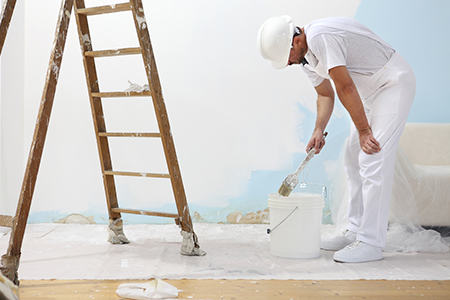
All of these factors have a direct impact on productivity levels in your office. But, the color of your interior office space also impacts productivity.

Maybe even slightly more than the rest.

So, it’s essential to know which colors you can use in your office to enhance productivity. Luckily, there are several options available.

When choosing the color of your office, always consult with a professional painting company.

At Wiese Painting Contractors, we have years of experience in the painting industry. Enabling us to give you expert advice on the best color to increase productivity in your office space.

Continue reading to find out more about choosing the right color for an office space.

What is the best color to paint an office for productivity?

There are several colors you can use to increase productivity in an office. Light and bold colors are commonly associated with focus and energy.

So, you can expect a lot of creative energy to arise from any color that invokes productivity. The business industry is also essential.

For example, a fashion office may benefit from using a firey color like red. Whereas a law firm may go with green.

Both colors are great for increasing productivity in an office.

But, green is more subtle and calming, which is perfect for a law office. Red is more passionate and physical, which is great for fashion designers.

That’s just a simple example you can use to see how color impacts our mental state. Color and its impact on human psychology have long been recognized.

Here is an article by Scott Brown Painting you can read to learn more.

Increasing productivity in your office

There are a few primary colors that increase office productivity like no other. The best part about it, you can combine them with secondary colors to create a truly unique office space.

Here are the best colors to increase productivity in your office:

  • Red
  • Yellow
  • Blue
  • Green
  • Orange Purple

Look at this article by cdisspaces to see some of the best colors for increased office productivity.

Our painting technicians at Wiese Painting Contractors have a real passion for helping clients. We’ll walk with you through all of the steps involved with painting your office a new color.

If you’re unsure about which color is right for your space. Our team will give you expert advice on how to do so.

People Also Ask

Q: What is the most productive color to paint an office?
A: Red, Blue, and Yellow are the best colors to paint an office for increased productivity.

Q: What color is best for focusing?
A: Green is a great color to use for promoting concentration and focus. Green promotes calm and efficiency. It also helps remind people of nature.

Q: What is a calming color for an office?
A: hues of blues and greens are considered the most calming, especially for office spaces.

Let Wiese Painting help you!

Our team at Wiese painting is standing by to help you improve the overall energy in your office. Give us a call today or fill out the contact form on our website to get started.

What Is the Labor Cost for Painting?

What is the labor cost for paintingPainting is a great way to revamp the entire look and aura of your home affordably. But, that doesn’t mean it’s an entirely free home improvement process. Aside from paying for the painting materials needed to carry out your ideas. Professional painters charge a fee for all of the labor involved with your project. So, you’ll need to factor in this cost when determining the final price of your project.
More complex painting jobs require more labor, thus resulting in them costing more. There are several factors that impact the final cost of your painting project. Variables such as your home’s size, the type of paint used on your project, and any unique designs you want to add all impact the total cost.

Every professional painting company charges different rates based on varying formats. For example, some painters charge hourly while others charge one flat-rate. You’ll need to do some research about local painters in your area to compare their rates and service offers.

To find out more about the labor cost of painting, continue reading.

What is the labor cost for painting

The labor cost for painting largely depends on the total square footage of your home. Painting your home’s exterior will also be more expensive than painting the interior. Mainly due to the elevated risk and multiple factors that need to be considered when doing so.

Here is an average breakdown of how much you can expect to pay for an interior painting job based on square footage:

  • 2,000 sq/ft.- $1,600-$5,600
  • 2,200sq/ft.- $1,700-$5,900
  • 2,500sq/ft.- $1,800-$6,300
  • 3,000sq/ft.- $2,000-$7,500

These are just rough estimates based on the national average professional painters charge. The more men called to work on your project will also increase costs. Painters will ask what kind of paint you want to use; this is something you want to think about as it substantially impacts the final price.

For painters that charge by the hour, you can expect to pay anywhere between $20-$60/hr for quality results.

The season in which your home is painted also plays a crucial role in determining the price. Whether you believe it or not, living in certain regions will increase the cost to paint your home by default. Mainly due to different climate factors and variables.

Professional painters factor in material costs, including ladders, brushes, and other tools needed to achieve fantastic results. To get an accurate estimate of how much your painting project will cost, go online, and compare some service providers in your area.

Reducing the cost of your next painting job

You can reduce your painting project’s total cost by using regular paint and only completing small portions at a time. Spreading out your painting projects into small sections will help save money on the final price. But, watch the small costs closely as they can quickly add up over time.

Most professional painters offer exclusive deals on their services at different points in the year. Speak with some of your local service providers to see if you can achieve your desired painting results at a discounted rate.

People Also Ask

Q: How much does it cost in labor to paint a house?
A: on average, you can expect to pay between $4,000-$5,500 in labor costs when hiring a professional painter. Both of those numbers cover exterior and interior painting projects.

Q: How much should it cost to paint the interior of a 2000 square foot house?
A: a 2,000 square foot home should cost you anywhere between $1,600-$5,600 to paint the interior space.

Q: How much paint do I need for a 10×10 room?
A: a 10×10 room should only require about two gallons of paint to cover the room fully.

Understanding what is the labor cost for painting

Use all the information in this article to assist with helping you get the desired results you want from your next painting project, without spending a ton of money. For the best painting services in Tucson, contact Wiese Painting today.

How Much Does Commercial Painting Cost?

How much does commercial painting costPaint can completely transform the look and overall aurora of a commercial property. To ensure that you achieve premium results on your next commercial painting project, there are several factors you need to consider first. One of the primary factors that will determine how well your commercial painting projects go it the cost.

Cost of the materials

Costs vary for commercial painting projects based on the area’s size, size of space that needs paint, the type of paint used, and more. The square footage of your commercial space will also determine the final price you pay, so it can be beneficial to calculate these factors before hiring a commercial painting company.

To get a good idea of how much your commercial painting project will cost.

How much does commercial painting cost?

On average commercial painting projects cost about $2-$6 per square foot. This is just the national average; your particular commercial painting job may be less or more depending on various factors. The type of paint you want to be used will play a massive role in how much you pay for a commercial paint job.

Higher quality paints cost more so you will be responsible for paying the price for an increase in quality. The size of your commercial property is probably the most significant factor in determining your commercial painting project’s cost.

Space of the painting project

Commercial painters multiply the length of your room by its width to determine your space’s total square footage. More significant commercial properties cost more to paint than smaller ones, which should be obvious. Whether you’re trying to paint the interior or exterior of your commercial property, it will also play a huge role.

Exterior commercial paint jobs tend to cost more than interior ones, given the various factors involved with outside painting projects.

Getting the best value on your next commercial painting project

To get the best value with your next commercial painting project, shop around with all of the various commercial painting companies in your area to see which one offers the best prices. You can save tons of money by allocating some of the material costs to yourself.

This means that you can buy your preferred paint before the painters come to finish the job, so they don’t factor it into the final price.

People Also Ask

Q: How much does it cost per square foot to paint a commercial building?
A: a typical commercial property of 15,000 square feet will cost about $5,000-$10,000 to complete the job. This adds up to about $.33-$.66 cents per square foot. When you add in ceilings and trims, it can cost about $3-$4 per square foot.

Q: How much does it cost to have a 10×10 room painted?
A: the average cost to paint a 10×10 room is in the range of $200-$600. It all depends on the type of paint being used and any special designs or accents you want to be added.

Q: How do painters calculate square footage?
A: commercial painters determine square footage by multiplying the length of the room by its width.

Understanding how much does commercial painting cost?

All of the information in this article can help guide you on your next commercial painting project. Before contacting a professional commercial painting company, ask yourself these two simple questions “What is the square footage of my commercial building?” and “How much paint will cover all the walls?”
25 urls with permanent redirect

Check out more of our blogs about our painting services

What is the best paint for outside walls
Best time to paint house exterior
How Often To Paint House Exterior?
What color house sells best?
Should entire house be painted same color?
Do tile floors need to be sealed?