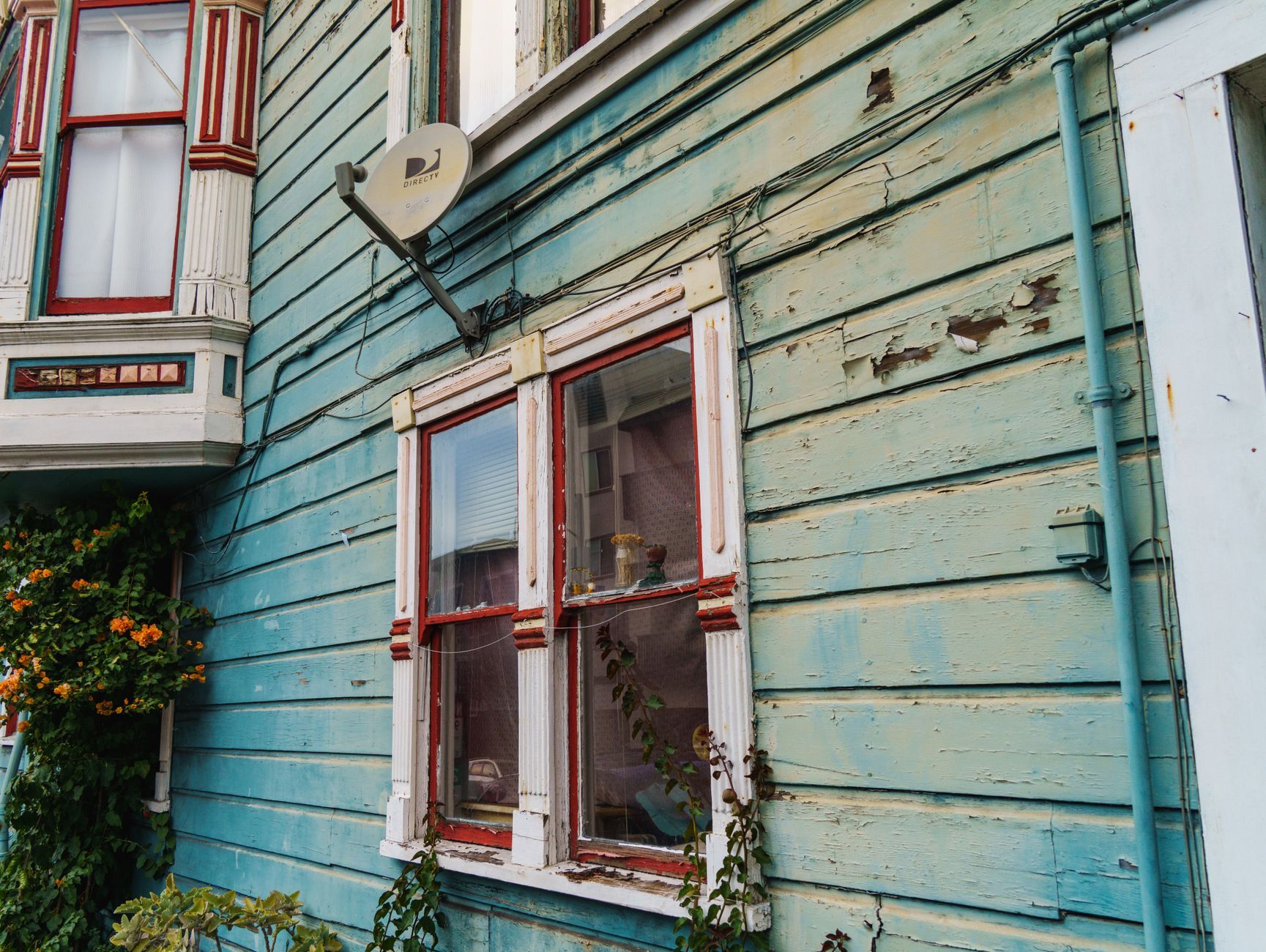
When Should You Paint Your Tucson Home? The Complete Seasonal Guide
If you’re planning to paint your Tucson home, timing isn’t just important, it’s everything. Schedule your project during the wrong month, and that fresh coat could start peeling before your first mortgage payment after the job. The best time to paint a house in Tucson falls between October through November and February through April, when temperatures stay between 50-85°F and humidity remains low.
Tucson’s painting calendar differs dramatically from national advice because our desert climate creates unique challenges. While most guides recommend spring and summer, our extreme heat makes July painting projects a recipe for disaster.
Quick Answer: Tucson’s Ideal Painting Windows
For exterior painting in Tucson, schedule your project during October-November or February-April. These months offer temperatures between 50-85°F with minimal rain risk. Interior painting works year-round, though summer offers the advantage of running AC to control humidity levels perfectly.
Month-by-Month Tucson Painting Calendar
January: Good (Interior Focus)
Average highs reach 65°F with overnight lows around 39°F. While daytime temperatures support exterior work, overnight freezing risks make this month better for interior projects. Only 3 rain days average means dry conditions prevail.
February: Excellent
February marks the start of prime painting season with 70°F highs and 42°F lows. Humidity drops below 30%, creating perfect curing conditions. This month sees high demand, so book contractors early.
March: Excellent
Temperatures climb to comfortable 75°F highs with 47°F lows. Wind speeds increase slightly, which helps paint dry but requires careful spraying techniques. Pollen counts begin rising mid-month, something to consider if you have allergies.
April: Good to Excellent
Early April remains ideal with 83°F highs, but late April can push into the 90s. Schedule projects for early morning starts. Palo verde pollen peaks this month, creating yellow dust that can stick to wet paint.
May: Fair (Morning Work Only)
Temperatures soar to 93°F by midday. Professional crews start at 5 AM and finish by noon. Paint dries almost instantly in direct sun, which can cause lap marks and uneven coverage.
June: Poor
Triple-digit heat arrives with 103°F averages. Surface temperatures on stucco can exceed 140°F, causing paint to bubble. Most reputable contractors won’t schedule exterior work this month.
July-August: Avoid (Monsoon Season)
Monsoon season brings unpredictable afternoon storms, 40-60% humidity spikes, and dust storms. Even if rain doesn’t fall directly on your home, atmospheric moisture prevents proper paint adhesion. Winter painting actually offers better conditions than attempting work during monsoon months.
September: Fair to Good
Monsoons typically end by mid-September, but humidity can linger. Late September sees temperatures drop to the low 90s. Wait until October for guaranteed stable conditions.
October: Excellent
October delivers perfect painting weather with 84°F highs and 57°F lows. Humidity stays below 25%, and rain risk drops to near zero. Book your residential painting project months ahead for October slots.
November: Excellent
Temperatures settle into the ideal 50-75°F range. Days remain long enough for full workdays, and weather patterns stay predictable. Many homeowners schedule work now before holiday guests arrive.
December: Good (Weather Dependent)
Early December works well with 65°F highs, but late December can bring overnight freezes. Most contractors take holiday breaks, limiting availability.
Why Does Monsoon Season Ruin Paint Jobs?
Tucson’s monsoon season from July through early September creates a perfect storm of painting problems. Humidity levels spike from our usual 15-20% to 40-60% within hours. This moisture gets trapped between paint layers, causing blistering and poor adhesion.
Dust storms pose another challenge. Haboobs can arrive with 10-minute warnings, coating wet paint with fine particles. Even if you dodge the storms, daily temperature swings of 30-40 degrees stress fresh paint as it expands and contracts.
The National Weather Service data shows Tucson receives 54% of annual rainfall during monsoon months, with afternoon storms developing rapidly after 2 PM. Paint needs 24-48 hours to cure properly, making this unpredictability a dealbreaker.
How Extreme Heat Affects Paint Curing in Arizona
When surface temperatures exceed 90°F, paint dries too quickly on the surface while remaining wet underneath. This creates a skin that traps solvents, leading to wrinkling, cracking, and poor adhesion. Dark colors absorb more heat, making the problem worse.
Stucco surfaces in direct sun can reach 150°F by noon in summer. At these temperatures, paint literally cooks rather than cures. Water-based paints evaporate before properly bonding, while oil-based paints become too thin to apply evenly.
Professional painters combat heat by starting before dawn, using specialized slow-drying additives, and working on shaded sides of homes. However, these adaptations can’t fully overcome extreme conditions, which explains why fall painting delivers superior results compared to summer work.
Special Considerations for Stucco Homes
Stucco dominates Tucson’s residential architecture, and this porous surface requires specific timing considerations. After monsoon rains, stucco can retain moisture for 7-10 days. Painting over damp stucco causes efflorescence, white, chalky deposits that push through paint.
Use a moisture meter before painting stucco. Readings should stay below 12% for optimal results. Proper stucco preparation and painting techniques matter year-round, but timing becomes critical during our wet season.
Elastomeric coatings, popular for stucco homes, need temperatures above 50°F for 48 hours after application. This rules out most December and January nights unless you’re willing to gamble on weather forecasts.
What Time of Year Is Best to Paint Interior Walls?
Interior painting in Tucson works year-round, but summer offers surprising advantages. Running your AC creates controlled humidity levels around 30-40%, perfect for paint curing. Open windows in spring and fall can introduce pollen and dust.
Many homeowners schedule interior work during our 110°F summer days when they’re already staying indoors. Low-VOC paints reduce odor concerns, making summer interior projects more comfortable than ever.
Cost Differences by Season
Painting costs in Tucson fluctuate by season due to demand. October and November command premium prices with contractors booked solid. January and early February offer potential discounts of 10-15% as contractors fill slower periods.
Summer pricing varies widely. Some contractors offer deep discounts to keep crews working, while others charge premiums for early morning starts and heat-related challenges. Get multiple quotes and ask specifically about seasonal pricing.
Frequently Asked Questions
Can you paint after it rains in Tucson?
Wait at least 24 hours after rain before painting wood surfaces, and 48-72 hours for stucco. Use a moisture meter to confirm surfaces register below 15% moisture content. Even if surfaces feel dry to touch, trapped moisture can ruin your paint job.
What temperature is too hot to paint outside?
Avoid painting when air temperatures exceed 95°F or surface temperatures surpass 100°F. In Tucson, this typically means stopping exterior work by 10 AM from June through August. Direct sunlight on dark surfaces can push temperatures above safe limits even on 85°F days.
Is it better to paint in spring or fall in Arizona?
Fall edges out spring slightly due to lower pollen counts and more stable weather patterns. Spring brings wind and allergens, while fall offers consistent conditions through November. Both seasons work well, but October-November provides the most reliable window.
How long does exterior paint last in Tucson?
Quality exterior paint lasts 7-10 years on Tucson homes when applied during optimal conditions. South-facing walls exposed to intense UV may need repainting after 5-7 years. Homes painted during monsoon season or extreme heat often show failure within 2-3 years.
Should I wait for a cloudy day to paint in Tucson?
Overcast days between 65-85°F create ideal painting conditions, but Tucson averages only 85 cloudy days annually. Don’t wait for perfect clouds, instead, follow the sun around your home, painting shaded sides during peak heat hours.
Planning Your Tucson Painting Project
Smart scheduling makes the difference between a paint job that lasts a decade versus one that fails within two years. Book contractors 2-3 months ahead for October-November and February-April slots. These prime windows fill quickly, especially for larger homes.
Check 10-day forecasts before committing to start dates. The National Weather Service Tucson office provides detailed local forecasts including humidity, wind speed, and precipitation probability, all factors affecting paint application.
Consider breaking large projects into phases. Paint north and east walls in summer mornings, saving south and west exposures for cooler months. This approach maintains year-round progress without compromising quality.
Ready to Schedule Your Painting Project?
Timing your Tucson paint job correctly protects your investment and ensures beautiful, long-lasting results. While October through November and February through April offer ideal conditions for painting houses in Tucson, experienced contractors can adapt techniques for successful projects during shoulder seasons.
Don’t let another monsoon season or scorching summer damage your home’s appearance. Wiese Painting understands Tucson’s unique climate challenges and schedules projects for optimal results. Contact us today at (520) 327-3200 for a free consultation and let’s plan your project during the perfect weather window.