Paint Colors for Rooms with Little Natural Light
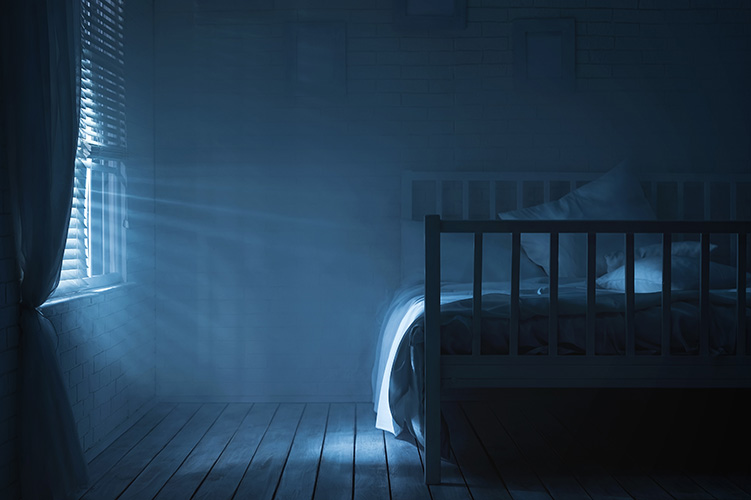 Ever had a room that is dark and gloomy with little to no natural light? When a space lacks natural light, it turns dim to dark as the day progresses. Choosing a paint color for these conditions can be quite challenging.
Muted or cool colors can make the already dark room feel uninviting. However, the right paint colors can have a positive effect on the room and make it brighter.
This article takes you through the colors that can lighten up even the dingiest of rooms, a few tips to help brighten your room, the best colors for rooms facing different directions, and much more.
Best Paint Colors for Dark Rooms
In the absence of light, the colors you choose for your room should play up the light from the lamps and overhead light fixtures. Lighter and warmer shades tend to do that and visually expand the dark spaces creating an inviting ambiance.
Here are a few hues that can brighten up any dark corner of your room.
- Sherwin-Williams Creamy SW 7012 – SW creamy is a soft, warm cream that looks yellow requires adequate lighting for warmth.
- Benjamin Moore Silver Marlin 2139-50 – Silver marlin is a warm gray tinged with green to give the room a crisp look.
- Sherwin-Williams Tidewater SW 6477 – Tidewater is a cool bluish green that works well in a darker space, especially the dining room.
- BM Navajo White OC 95 – A light creamy white paint color with a yellow base. But the neutral undertones help tone it down.
- Sherwin-Williams Charcoal Blue – A dark blue, almost black; Pair it with cool light blue or gray tones for a dark and dramatic flair.
- Benjamin Moore Ballet White – Ballet White is a soft and muted cream with a beige-gray undertone almost as close as you can get to greige without going all the way.
- Sherwin-Williams Silver Strand SW 7057 – Silver strand is a blend of blue-green-gray that usually leans towards blue more than green.
- Benjamin Moore Black Beauty – A warm black with brown undertones; it works well in combination with geometrical lines and pops of other colors.
- Benjamin Moore Excalibur Gray – Very much on the lighter side, this is a soft gray with a touch of lilac, giving it a neutral hue. It is a pretty relaxing color for the bedroom.
Tips to Brighten a Dark Room
First, no matter what color you choose, identify why your room is dark and rectify if possible. Check if you can bring natural light or at least amp up the available light.
 Here are few tips to make the room brighter beyond the paint color.
- If there’s no natural light or even artificial light, no paint color can save you. So, ensure that you have enough light to work with.
- Lighter paint colors like crisp whites, creams, and pale grays reflect the room’s natural light better than any other color.
- Even with good lighting and paint color, you need the right furnishings to make the space inviting.
- Do not shy from dark colors. The right color can add personality even if the room appears darker.
- A glossy paint finish reflects the maximum light, but it may not look good on the walls, especially if it has any flaws. Hence better to stick with matte and eggshell finishes.
- Paint the ceiling in white. White ceilings reflect more light, and the room looks brighter.
- A bold and saturated trim can add a pop of color and enhance the wall color without compromising the light.
Good Paint Colors for a Living Room with Little Natural Light
A living room with little to no sunlight is problematic for two reasons. Firstly, it gets scorching during summers, and most importantly, it is always dark.
White paint colors tend to reflect the most light than any other color in the spectrum. However, muted and cool colors can make the room look drab and uninviting. Lighter and warmer shades tend to play with the available light and create a welcoming environment.
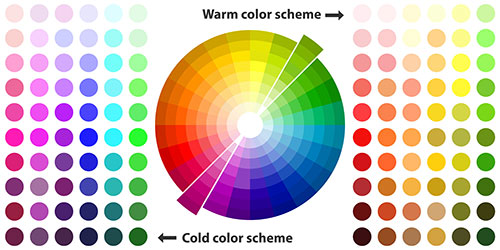 Here are a few room colors for a living room with little natural light:
- Pale Yellow: Pale yellow walls mimic the natural light to give a summery feel without overpowering the room.
- Lavender: Lavander is quite versatile, especially in dark rooms. It has a wide range of hues, from pale barely-there colors to dark shades. Pair a lavender with bold purples and blues for a playful look.
- Chocolate Brown: Chocolate brown is a warm and welcoming shade that gives a spacious look to the room. However, you may want to balance it with pale carpeting, white woodwork, or patterned fabrics.
- Gray: Gray is the new neutral when it comes to paint colors. Choose a lighter hue and balance it out with bright accents.
- Powder Blue: Powder blue can brighten any dark and gloomy corner of your room, especially when paired with white details or dark wood furnishing.
- Warm Orange: Orange has the ability to glow and reflect any light from lamps, candles, sunlight, or otherwise.
- Pink: While not an often-used color, pale pink shades like pale rose and seashell can brighten up a dark room. Avoid darker shades like watermelon and fuchsia as they can overwhelm the space.
- Ochre: Ochre being closer to gold works wonders for dimly lit rooms. You can see it in more traditional settings with a white mantel, molding, and trim.
- Lime Green: Though blindingly brighter, lime green can work wonders in your bedroom or powder room. However, for a living room, it works better as an accent wall.
Never hurry when choosing a paint color. Have the paint swatches on the walls for a few days and check in every light before committing to it.
Best White Paint for Rooms with Low Light
Whites can act as a mirror and reflect the light. However, the hue depends on the direction of your room. For this reason, skip bright white and go for a darker shade of white. In a room with low light, it will still be white without looking somber.
Here a few famous whites that suit any wall:
- Benjamin Moore Pale Oak – A soft white paint with taupe undertones; The pale color works well when you have greenery outside your windows.
- Benjamin Moore Classic Gray – A very light gray with green undertones; However, it needs to be paired with enough accessories to make the room look good.
- Benjamin Moore Chantilly Lace – A blue-tinged bright and clean white; it has a cool undertone to combat the warmth of a south-facing room.
- Benjamin Moore Paper White – A gray-tinged white; Rather than an antiseptic look, it has enough warmth to maintain a crisp elegance.
- Benjamin Moore White Dove – A grayed-out white color; It is also used in trim and a favorite for north-facing rooms.
- Sherwin-Williams White Duck – A white neutral paint with cream and greige undertones; It is quite a popular option for exterior walls.
How Sunlight Affects Colors
Sunlight influences how paint colors look on walls. The reason being, as the sun makes its way across the sky, the amount of natural light streaming into your rooms also changes. When the angle of the sun changes, your paint color also changes. The same also happens with changing seasons.
Best Paint Colors for North-Facing Rooms
North-facing rooms do not get any direct sunlight. The light in these rooms is soft, cool with a blue undertone. To compensate for the lack of warmth, you need to incorporate warmer colors to balance it out.
A warm white or off-white with a cream undertone that reflects light works for the walls. In the same way, bold colors also show up clearly than the muted colors. On the other hand, lighter colors tend to look subdued.
 Best Paint Colors for South-Facing Rooms
South-facing rooms have light pouring in when the sun is at the highest point in the sky. Hence it tends to be bright throughout the day with warm and golden light. These rooms take any color; lighter colors glow, while darker colors tend to brighten the room.
However, you may want to have some cooler hues like whites with neutral undertones or even the coolest of the white with just a touch of warmth for a proper balance.
Best Paint Colors for East-Facing Rooms
East-facing rooms receive light in varying intensities throughout the day. Since the sun rises in the east, these rooms get the early morning bright warm-hued light but cool later in the evening.
Any color will look in the morning, but you need something with warm undertones for additional warmth in the afternoon. In the lighter category, you can go for a neutral shade like beige. On the other hand, reds, yellows, and oranges also glow with the available natural light.
Best Paint Colors for West-Facing Rooms
West-facing rooms tend to get more evening light than in the morning. Since the sun sets in the west, these rooms get indirect neutral light in the morning and a warm golden glow in the evening. The morning light can create shadow and make the paint look dull.
You may want to balance the difference in the lights with a neutral white or a cooler shade in blue or green.
Conclusion
The key to choosing a paint color is to balance the warm and cool tones in the room. An excellent way of doing that is to add contrast to your rooms. Furthermore, it also adds visual interest to an otherwise dark room.
Generally, powder rooms, hallways, or basements lack natural light and are darker than other parts of your home. No matter where you paint, the presence of light or absence can influence the paint color.
Lacking natural light, ensure that you have adequate artificial lighting. Apart from the overhead light and the skylight, add a few floor lamps for good measure. You can also fake more light by adding mirror accents to your room.
Here at Wiese Painting, we are experienced with painting all colors, be it your apartment, home, or office. We guarantee that any hard-to-paint color or surface is tackled with professionalism and tricks that have been acquired through years of painting. You will love the look of your freshly-painted home, so contact us today for your free quote!
 Did you know that you need to
  The
The  Here at
 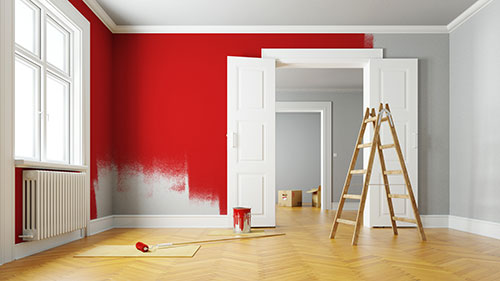 Painting is a sure-shot way to give your apartment an instant facelift. It hides flaws and revives dirty walls and changes the look of the entire area. Whenever we think about painting an apartment or a room, the first thing which comes to our mind is the cost related to it and various other relevant factors.
 Painting a room yourself
  Dark Blue
 Be it a rental property or an apartment, painting is by far the easiest method to jazz up your home. Here are a
 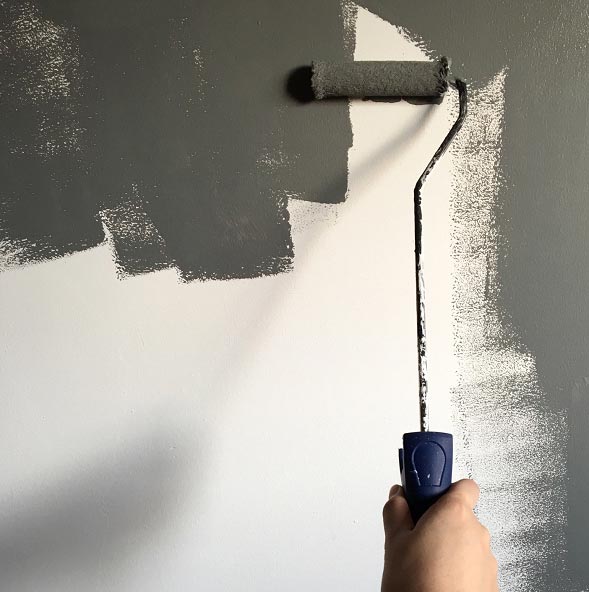 Painting walls is a common way to update your home, make rooms feel fresh, and change the aesthetic without significant renovations are a few best ways you can change the look of your home/office. Everyone is capable of painting their own room with the right tips. You might be asking yourself,
  People Also Ask:
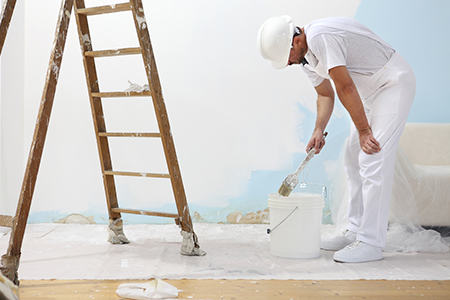 Painting is a great way to revamp the entire look and aura of your home affordably. But, that doesn’t mean it’s an entirely free home improvement process. Aside from paying for the painting materials needed to carry out your ideas. Professional painters charge a fee for all of the labor involved with your project. So, you’ll need to factor in this cost when determining the final price of your project.
 Painting your home’s interior walls is a straightforward process; however, you need to follow a few crucial steps to ensure optimal results. The preparation process before painting is critical in achieving optimal results. To prepare your interior walls for painting, you must follow a detailed process. When painting your interior walls, you want the paint to last as long as possible.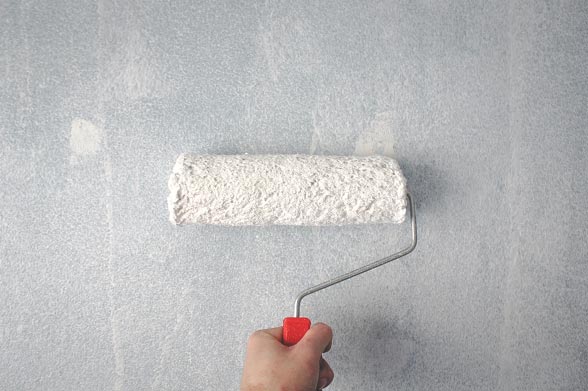
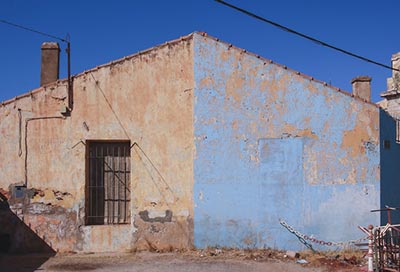 Exterior paint is one of the easiest ways to improve your home’s perceived value, with no major renovations required. Whether you just moved into a new home or are tired of the current exterior paint job on your house, choosing the best time to paint house exterior is very important to ensure that you get the desired results. There are several variables that impact the finish of your paint job over time.
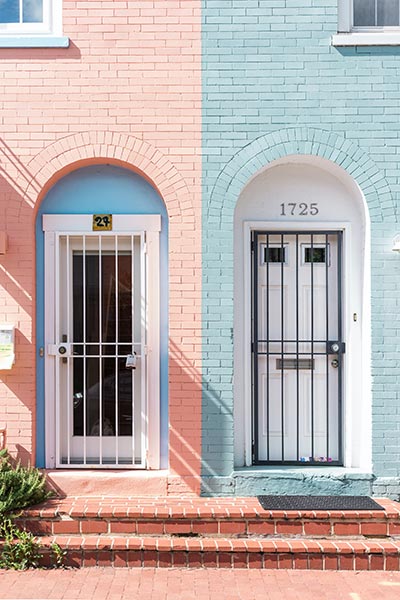 Your home’s exterior appearance is the first thing people see when visiting your property. Thus, it’s important to maintain a good-looking outer appearance to home so that it’s perceived value can be sustained not only for resale purposes but also for your own benefits. Over time, variables such as extreme heat, adverse weather conditions, dirt accumulation, and more will begin to impact your exterior paint job’s quality & finish over time.
 If you’re thinking about selling your home anytime soon, chances are you’re also trying to find innovative ways to increase its curb appeal before listing it on the market. Well, the good news is that there is one very simple and straightforward way to improve the perceived value of your home while also attracting buyers through design. Paint can be used as a tool to boost your home’s curb appeal, which could result in it selling fast than anticipated, which is more good news for you.